Warehouses and distribution facilities face security needs that extend well beyond locking a front door. Loading docks, inventory areas, outdoor equipment, employee entrances and after-hours deliveries each require careful consideration. A layered security plan can improve awareness and response.
The Key Takeaway
Warehouse security is most effective when intrusion detection, video surveillance, access control and response procedures work together. The right design is based on the facility’s actual operations, traffic, inventory and hours.
What should a warehouse security system include?
A warehouse security assessment should examine loading bays, side doors, shipping and receiving, inventory zones, access permissions, camera coverage and existing systems. There is no single package that fits every Michigan facility.
1. Intrusion alarms and monitored entries
Door contacts, motion detection and other compatible devices can help detect selected unauthorized entry conditions. Alarm zones and schedules should be planned around real operating hours, cleaning crews, deliveries and other approved activity.
2. Loading dock and inventory cameras
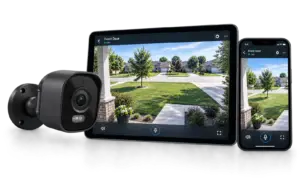
Surveillance cameras can help review activity at loading docks, vehicle approaches, exterior doors and high-value storage areas. Camera placement, lighting, image clarity, retention and authorized access to footage determine how useful the recordings will be.
3. Access control and response planning
Electronic credentials can help manage permissions for employee doors, offices, secure inventory areas and contractors. Determine who receives alerts, how events are verified, whether professional monitoring is appropriate and who responds after hours.
Where are warehouses most vulnerable?
Loading bays and shipping doors
Shipping areas can experience heavy movement of people and vehicles. Combine suitable door protection with well-positioned cameras and procedures for after-hours deliveries and dock closure.
Employee and contractor entrances
Different shifts, cleaning crews and vendors can require different levels of access. Review who needs access, at what times and how permissions are changed when staff roles or relationships end.
Inventory aisles and high-value storage
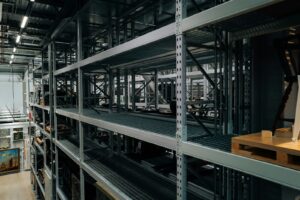
Consider the highest-value stock, inventory cages and spaces with limited staffing. Cameras and access restrictions can support incident investigation and accountability, but their configuration should reflect the site’s workflow.
Parking lots and exterior gates
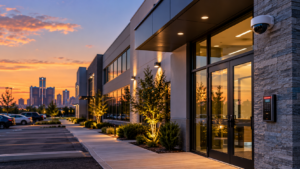
Exterior coverage can help staff review activity around gates, vehicle entrances and equipment yards. Consider lighting, mounting positions, network connectivity and the level of image detail needed.
Equipment rooms and sensitive areas
Protecting network rooms, control equipment, offices and records can be as important as monitoring the warehouse floor. Evaluate appropriate alarm zones and controlled entry to these spaces.
Water leaks and Michigan winter risks
Cold weather, heating interruptions and water damage can create operational problems. Temperature or water sensors may be appropriate for selected areas and inventory types; these measures should complement, not replace, applicable life-safety requirements.
Can existing warehouse alarm equipment be upgraded?
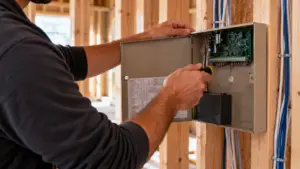
Often, yes. A technician can assess panels, cables, doors, detectors, cameras and communications to identify what can be retained. Some devices may integrate with newer equipment while others need replacement or repositioning.
How should multi-shift access be managed?
Plan opening and closing routines, authorized deliveries and employee access by role or shift. Compatible access control systems may support scheduled credentials and audit information, while alarms should account for personnel who remain on site.
Questions to ask before planning warehouse security
Coverage: Which loading docks, doors, aisles and exterior areas require protection?
Video: What lighting and recording detail is needed?
Access: Who needs credentials and on what schedule?
Monitoring: Who handles alerts after hours?
Maintenance: Who checks equipment and permissions?
Expansion: Can the system accommodate future operations?
Frequently asked questions
Are security cameras enough to protect a warehouse?
Cameras provide visual information and recordings, while intrusion detection and access control address different needs. Many facilities benefit from a combination.
Can access permissions differ by employee or shift?
Many compatible access control platforms support role-based or scheduled permissions. Available features depend on the selected system.
Where should loading dock cameras be positioned?
Placement depends on truck movement, loading operations, lighting and the visual detail needed to identify events. A site assessment can determine the most useful views.
Can monitoring include temperature or water risks?
Depending on the equipment, selected environmental sensors may provide alerts about out-of-range temperatures or water at monitored locations. Set a clear process for responding.
Plan warehouse security with Pointe Alarm
Pointe Alarm serves Grosse Pointe, Detroit and businesses throughout Michigan. Learn about our commercial security systems, video surveillance, access control and alarm monitoring. Contact us to discuss a site-specific warehouse assessment.